
As we navigate 2026, the global political landscape is undergoing significant transformations. Shifts in power dynamics, technological advancements, economic realignments, and rising geopolitical tensions are reshaping how nations interact and how citizens engage with their governments. Understanding these trends is crucial for policymakers, businesses, and individuals alike. Here’s a closer look at the key political trends to watch in 2026.

1. Multipolar World Order Strengthens
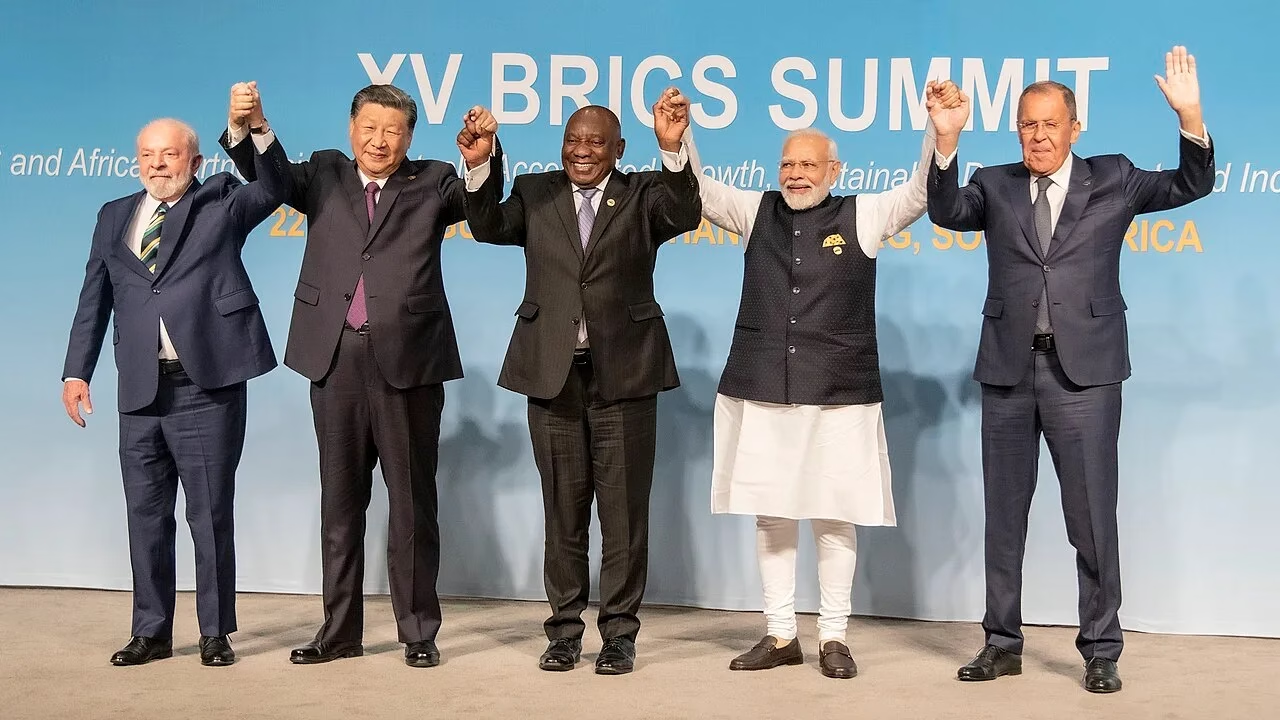
The traditional dominance of a single superpower is gradually giving way to a more multipolar world. Nations such as China, India, the European Union, and regional powers in Africa and Latin America are asserting greater influence on the global stage. This shift affects international alliances, trade negotiations, and conflict resolution mechanisms.
Countries are increasingly engaging in regional coalitions to advance economic and strategic interests. This multipolarity presents both opportunities for cooperation and challenges for maintaining global stability, as divergent national priorities can complicate diplomatic consensus.
2. Technology and Cyber Diplomacy
Technology is no longer just an economic tool—it has become a core element of global politics. Cybersecurity, data governance, artificial intelligence (AI), and digital currencies are influencing diplomatic relations. Nations are investing in cyber defense and intelligence to protect critical infrastructure and national security.
In 2026, cyber diplomacy is emerging as a key arena for negotiation, conflict prevention, and collaboration. Governments are working to establish international norms for AI ethics, digital privacy, and cybersecurity, while disputes over technology transfer and intellectual property continue to influence trade relations.
3. Climate Politics Gains Momentum
Climate change remains a central issue in global politics. Extreme weather events, rising sea levels, and resource scarcity are pushing governments to adopt aggressive climate policies. International agreements, such as enhanced carbon reduction targets and renewable energy commitments, are driving both cooperation and contention among nations.
Environmental politics now intersects with economic policy, as countries balance climate initiatives with industrial growth. Climate-induced migration is also emerging as a political challenge, requiring multilateral solutions to manage humanitarian crises and resource allocation.
4. Rise of Populism and Nationalism
Populist and nationalist movements continue to shape domestic and international politics in 2026. Many governments are responding to citizens’ concerns over immigration, economic inequality, and cultural identity. While these movements can empower local communities and drive policy changes, they may also strain international relations and hinder global cooperation.
Political polarization remains a significant challenge in democracies worldwide. Leaders are increasingly leveraging social media and digital platforms to communicate directly with citizens, bypassing traditional media and political institutions.
5. Economic Geopolitics and Trade Realignment
Economic influence is a critical driver of political power. In 2026, nations are reevaluating trade partnerships and supply chains to enhance resilience and reduce dependency on single markets. The shift toward regional trade agreements and strategic economic alliances reflects a growing desire for economic sovereignty.
Global trade disputes, technological competition, and resource nationalism are influencing both domestic policies and international negotiations. Countries are prioritizing investments in critical industries such as semiconductors, green technology, and energy security to maintain a strategic advantage.
6. Human Rights and Social Movements
Social and human rights movements are increasingly impacting global politics. Issues such as gender equality, racial justice, LGBTQ+ rights, and labor standards are gaining prominence in international discourse. In 2026, nations are under growing scrutiny from both citizens and global organizations to uphold human rights commitments.
Grassroots activism and digital advocacy are reshaping political agendas, pressuring governments and corporations to implement inclusive policies. Social movements now have the power to influence elections, legislation, and international diplomacy.
7. Geopolitical Tensions and Conflict Zones
Certain regions remain focal points for geopolitical tension. Conflicts in Eastern Europe, the Middle East, and parts of Asia continue to influence global security dynamics. In addition to conventional military engagements, hybrid threats such as cyberattacks, misinformation campaigns, and economic coercion are increasingly part of modern conflicts.
In 2026, international organizations, including the United Nations and regional security alliances, face the challenge of mediating disputes while preventing escalation. Diplomatic strategy, peacekeeping, and multilateral cooperation remain crucial tools in mitigating conflict risks.
8. Governance, Transparency, and Public Trust
Public trust in governments is a critical factor shaping political stability. In 2026, transparency, accountability, and citizen engagement are more important than ever. Governments are adopting digital tools for governance, promoting e-democracy, and encouraging public participation in policymaking.
However, misinformation and political polarization pose challenges to maintaining trust. Leaders must navigate these issues carefully, balancing technological innovation with ethical governance to foster societal cohesion.
Conclusion
Global politics in 2026 are marked by complexity, interconnectivity, and rapid change. From the rise of a multipolar world and technology-driven diplomacy to climate politics and social movements, these trends are reshaping international relations and domestic governance.
For citizens, businesses, and policymakers, staying informed about these developments is essential for making strategic decisions and fostering collaboration. As the world continues to evolve, adaptability, diplomacy, and forward-thinking leadership will determine which nations and leaders can navigate the challenges and opportunities of this dynamic political landscape.