
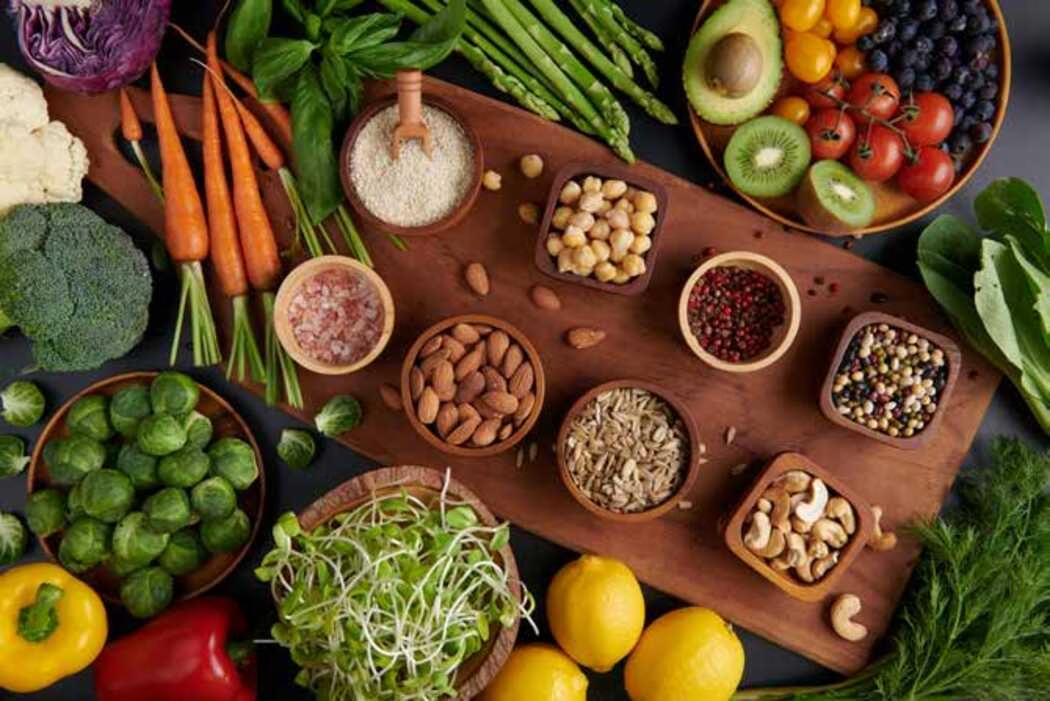
A strong immune system is essential for maintaining good health and protecting the body against infections, illnesses, and chronic diseases. While genetics and lifestyle play a role in immune strength, nutrition remains one of the most potent and controllable factors influencing immunity. From infancy to old age, the foods we consume directly affect how well our immune system functions. In 2026, with increased awareness of preventive healthcare, understanding the role of nutrition in boosting immunity across all ages has never been more critical.

Understanding the Immune System and Nutrition
The immune system is a complex network of cells, tissues, and organs that work together to defend the body against harmful pathogens such as bacteria, viruses, and toxins. To function effectively, this system requires a steady supply of essential nutrients. Deficiencies in key vitamins, minerals, or macronutrients can weaken immune responses, increasing susceptibility to infections and delaying recovery from illness.
Proper nutrition supports the production of immune cells, strengthens barriers such as the skin and mucous membranes, and regulates inflammation. A balanced diet helps ensure that the immune system remains resilient and responsive across different stages of life.
Nutrition and Immunity in Children
Childhood is a critical period for immune development. Children need adequate nutrition to support growth while building strong defenses against common infections. Diets rich in fruits, vegetables, whole grains, lean proteins, and healthy fats provide the nutrients necessary for immune maturation.
- Vitamin A supports the health of skin and mucosal barriers.
- Vitamin C is known for enhancing immune cell function.
- Zinc is essential for immune cell development and wound healing.
- Protein is vital for the formation of antibodies and immune cells.
Limiting processed foods and added sugars is equally important, as excessive sugar intake can impair immune responses. Encouraging healthy eating habits early helps establish a strong foundation for immune function throughout life.
Boosting Immunity in Adolescents and Young Adults
Adolescents and young adults often face nutritional challenges due to busy lifestyles, academic stress, and irregular eating patterns. However, this stage of life demands proper nutrition to support hormonal changes, mental well-being, and immune resilience.
A diet rich in antioxidants helps combat oxidative stress and inflammation. Foods such as berries, nuts, leafy greens, and whole grains provide vitamins E and C, which play key roles in immune defense. Iron and B vitamins are also crucial during this stage to support energy levels and immune function.
Staying hydrated, getting sufficient sleep, and avoiding excessive fast food and sugary beverages further strengthen immunity in young adults.
Nutrition’s Role in Adult Immunity
In adulthood, maintaining a strong immune system is crucial for preventing chronic diseases and managing stress-related immune suppression. Nutrient-dense diets help regulate inflammation, support gut health, and enhance the body’s natural defenses.
Key dietary components for adults include:
- Lean proteins such as fish, poultry, legumes, and eggs support immune cell production.
- Healthy fats, especially omega-3 fatty acids found in fatty fish, flaxseeds, and walnuts, reduce inflammation.
- Fiber-rich foods like fruits, vegetables, and whole grains promote a healthy gut microbiome.
The gut plays a central role in immunity, as a significant portion of immune cells reside in the digestive system. Consuming probiotic-rich foods such as yogurt, kefir, and fermented vegetables supports beneficial gut bacteria and enhances immune response.
Nutrition and Immunity in Older Adults
As people age, the immune system naturally becomes less efficient, a process known as immunosenescence. Older adults are more vulnerable to infections and often recover more slowly. Proper nutrition can help counteract some of these age-related immune changes.
Older adults may require higher intakes of specific nutrients, including:
- Vitamin D supports immune regulation and reduces inflammation.
- Calcium and protein are needed to maintain muscle mass and overall strength.
- Antioxidants, to combat oxidative stress and support cellular health.
Changes in appetite, reduced nutrient absorption, and chronic health conditions can make meeting nutritional needs challenging. Therefore, a balanced diet, nutrient-rich meals, and, when necessary, medical guidance on supplementation are essential for maintaining immune health in later years.
The Importance of Micronutrients and Hydration
Micronutrients such as selenium, magnesium, copper, and iron play supporting roles in immune function. Even mild deficiencies can weaken immune defenses. Consuming a varied diet ensures an adequate intake of these essential elements.
Hydration is another often-overlooked factor. Water supports the transport of nutrients, the elimination of toxins, and the proper functioning of immune cells. Dehydration can impair physical performance and immune efficiency across all age groups.
Lifestyle and Nutrition: A Holistic Approach
Nutrition alone cannot guarantee strong immunity. It is most effective when combined with healthy lifestyle habits, such as regular physical activity, adequate sleep, stress management, and avoidance of smoking and excessive alcohol consumption. Together, these factors create an environment where the immune system can function optimally.
Conclusion
Nutrition plays a vital role in boosting immunity at every stage of life. From supporting immune development in children to maintaining resilience in older adults, a balanced, nutrient-dense diet is among the most effective tools for disease prevention and overall well-being. By prioritizing whole foods, essential nutrients, and healthy eating habits, individuals of all ages can strengthen their immune systems and enjoy better long-term health.